
Content:
- Introduction
- Benefits of E-commerce Integrations
- CRM E-commerce Integrations
3.1. How to Integrate CRM into Your Store - E-commerce Integrations with Cognitive Services and Chatbots
- Inventory Management Systems (IMS) E-commerce Integrations
- AR/VR E-commerce Integrations
- Conclusion
1. Introduction
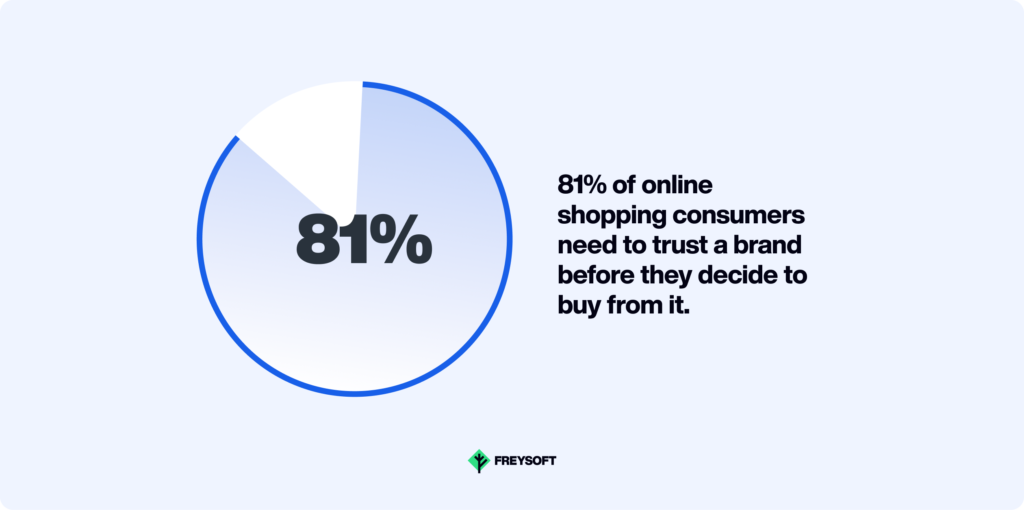
Let’s start our E-commerce integration journey with stats. In 2023, 81% of online shopping consumers need to trust a brand before they decide to buy from it. At the same time, only a third part of consumers responded that they really trust the brands they buy from. In turn, 71% say they don’t believe brands will keep up to what they promise.
Obviously, trust is key in E-commerce. A customer who trusts you will become loyal. Loyal customers will keep coming back. When businesses work hard to be trustworthy, they can make money regularly. Moreover, businesses do best when they gain trust in three areas: how good their product is, how well they treat customers, and how they make a positive impact on society.
Instead of facing the online competition on their own, many companies are teaming up and expanding their online stores by joining forces, partnering up, and making deals with other businesses in the marketplace. And here are the main issues that e-commerce integrations can solve:
- Inventory management
- Product management
- Shipping and tracking the orders
- Payments
- Customer support
- Notifications
- Analytics & marketing
Further, we’ll explore them one by one. But now let’s decide why to use e-commerce integrations for your business.
2. Benefits of E-commerce Integrations
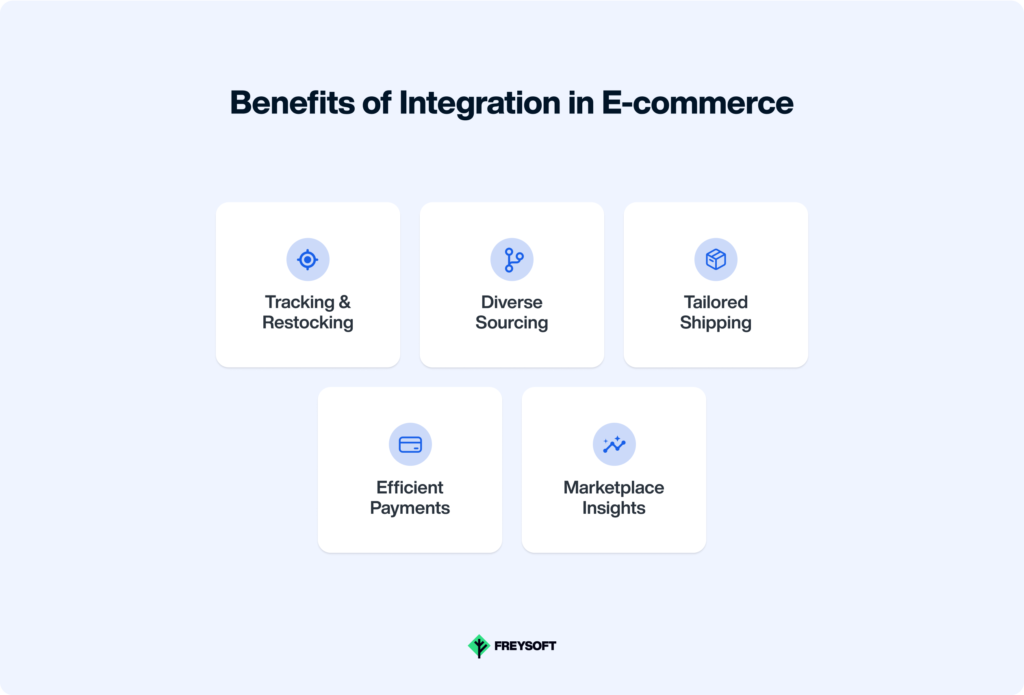
Making your marketplace work well with other systems can make trading faster and smoother. This happens because things can be automated and updated in real time. Here are some important benefits of connecting your marketplace with other systems:
- Tracking & Restocking
It means you will keep track of how much stuff you have and buy more when needed - Diverse sourcing
Managing different ways you get products - Tailored shipping
Sending products the right way to match what the marketplace needs - Efficient payments
Quickly and easily handling money transactions - Marketing Insights
Watching how people use your marketplace, both the buyers and sellers
Keep in mind that your online store should do more than just copy a physical store. It should help you sell more and make more money. This is why the best online stores use a bunch of different tools and systems that work closely together through e-commerce integrations to give customers a great experience.
3. CRM E-commerce Integrations
According to a recent report by MuleSoft, the average organization uses nearly 1,000 different applications, like content management systems, payment tools, marketing software, and enterprise resource planning (ERP) programs. These applications can be found in various forms, like software on your own computer, or online cloud apps.
So, what’s CRM e-commerce integration? It’s when you take all these different software systems that help manage a company’s customer service, sales, and marketing, and connect them to one main system called a CRM (customer relationship management). This helps make things easier for handling tasks in sales, marketing, and customer service. Plus, it helps the company make the most out of the CRM system itself by putting in the latest, correct data.
You might be also interested in:
Top E-commerce technology and staff challenges and how to overcome them
How to Build a Custom CRM Software from scratch
What is Software Integration? Detailed Guide [2021]
3.1. How to Integrate CRM into Your Store
Here are a few steps on how to integrate CRM into your store:
- Use Matching Apps
One way is to pick apps from the same company that can work together easily. But this might not cover everything your business needs. Our clients mainly use such CRMs as Salesforce, HubSpot, Zoho CRM, and Microsoft Dynamics. - Create Your Own Code
Another way is to write special instructions (code) to make the apps talk to each other and the CRM. This is less common because it’s harder to do and needs good tech skills. However, you will get a chance to build a custom CRM from scratch that will match your business as no existing platform can do. - Use APIs
APIs are like bridges that let apps talk to each other. Think about ride-sharing apps like Uber using maps from Google. APIs do this magic and they’re really important for tech stuff.
Besides, APIs can help connect all your different systems to the CRM (and also share info from your CRM with other systems). Many businesses like this way because APIs are easy to find, not too expensive, and simple to use. They help share important data with the CRM smoothly.
E-commerce businesses benefit from CRM integration in many ways, improving customer communications, automating repetitive tasks, and streamlining their operations. But keep in mind that the specific steps and tools required for integration may vary based on the CRM and online shop platforms you’re using. That’s why it’s not a bad idea to consult with experts or software developers who are experienced in working with your chosen systems. This will ensure a successful and smooth integration.
4. E-commerce Integrations with Cognitive Services and Chatbots
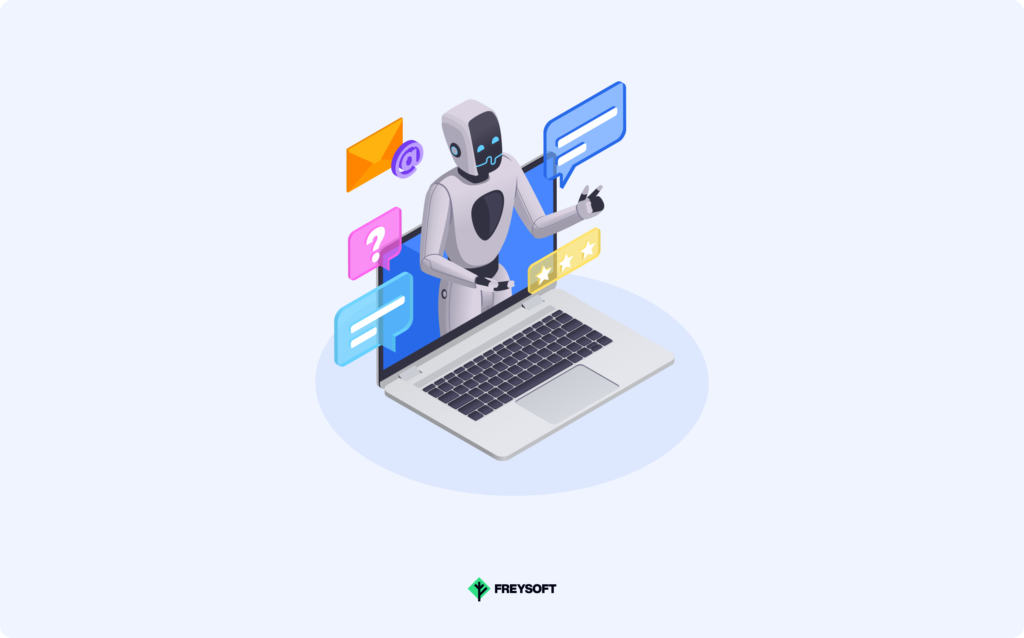
In a nutshell, the use of AI continues to grow in the retail industry, especially in customer-facing solutions like chatbots. Smart talking assistants have already shown their effectiveness in various situations:
- Customer support
Smart assistants can quickly resolve customer questions and handle 68.9% of chats from beginning to end. This efficiency boost from chatbots could save businesses up to 30% in operations costs. - Conversational buying
Chatbots on mobile devices could lead to up to 4 times more sales compared to traditional sales methods. Additionally, AI-powered chatbots improve customer experience by offering personalized deals, suggesting products, and promoting additional purchases, all of which can increase the overall value of a customer over time.
5. Inventory Management Systems (IMS) E-commerce Integrations
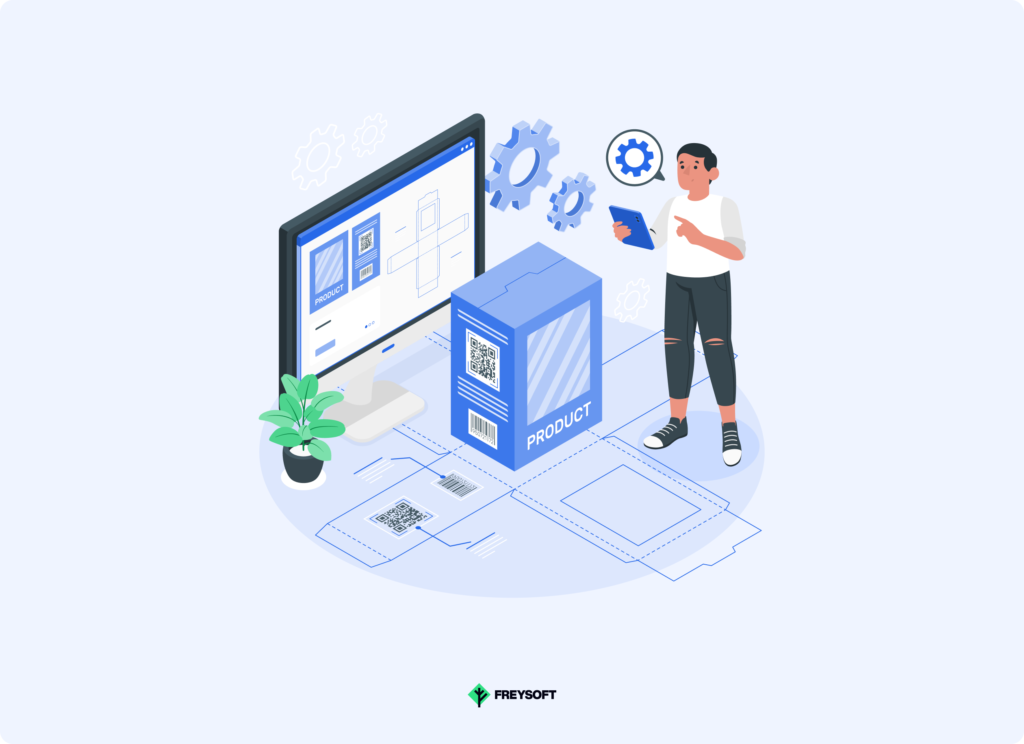
Basically, inventory management is how companies arrange and handle products along the supply chain. For rapidly expanding businesses, it usually looks like this: handling inventory and orders with a mix of spreadsheets, various apps, unique fixes, and internal tracking. As a result, this tough process leads to significant challenges.
What’s the solution? You should choose a reliable Inventory Management System (IMS) according to your business needs, future vision, and budget.
To select the best option, make sure IMS has these:
- Live updates that happen in real-time
- Support for selling on multiple channels
- Prediction of demand for products
- Point of Sale (POS) capabilities
To make your retail operations smoother, IMS you select should connect seamlessly (through APIs or other means) with your other technology tools. At the very least, it should work well with your online store and in-store point of sale (POS) system.
As your business grows, you might incorporate more tools into your technology setup. Think about whether the inventory management system you choose has a good range of connections that will meet your future business requirements. For instance, if you’re thinking about expanding your warehouse storage methods, check if your IMS can be integrated with a warehouse management system.
6. AR/VR E-commerce Integrations

Integrating Augmented Reality (AR) and Virtual Reality (VR) is important in changing how shopping works. These technologies can make online shopping feel more like being in a real store. Here are some stats for you:
L’Oréal saw three times more people buying things on their website when they added AR features. Tilly’s, a clothing store, got 30% more customers by letting them try on virtual clothes. Vertebrae, which helps brands like Toyota and Adidas with AR, said that during COVID-19, more people used AR and those who did were 90% more likely to buy something.
VR is a bit more complicated because it can be expensive and harder to get. Some companies that make VR stuff had problems making enough because of COVID-19. So, most stores are being careful about using VR right now. But experts think that the AR market could make $65 billion by 2024.
Top AR and VR integrations that you can implement in your online store:
- Making really detailed 3D things you can see online
- Letting you use AR and VR to see how products work
- Helping you try on clothes or other things using AR
- Making a whole store you can explore on your phone
- Showing you how products work using VR
By integrating AR and VR into your online store, you can create a more engaging and interactive shopping experience that sets your store apart and helps customers make more informed purchasing decisions.
7. Wrapping Up
As online stores get more competitive, it’s important for retailers to carefully choose their technology. Just getting basic (and affordable) app connections might not be enough to run a store really well. Besides, switching to better solutions later could be costly and tricky because you might need to change your systems again.
That’s why at FreySoft, we often recommend our clients start with a strong online store platform. It should fit your current needs and be able to grow as your shop gets bigger. You can add more tools and connections later to help it grow even more. But if you need a custom-made solution in e-commerce integration, you can have it with our deep technical expertise in custom web development.